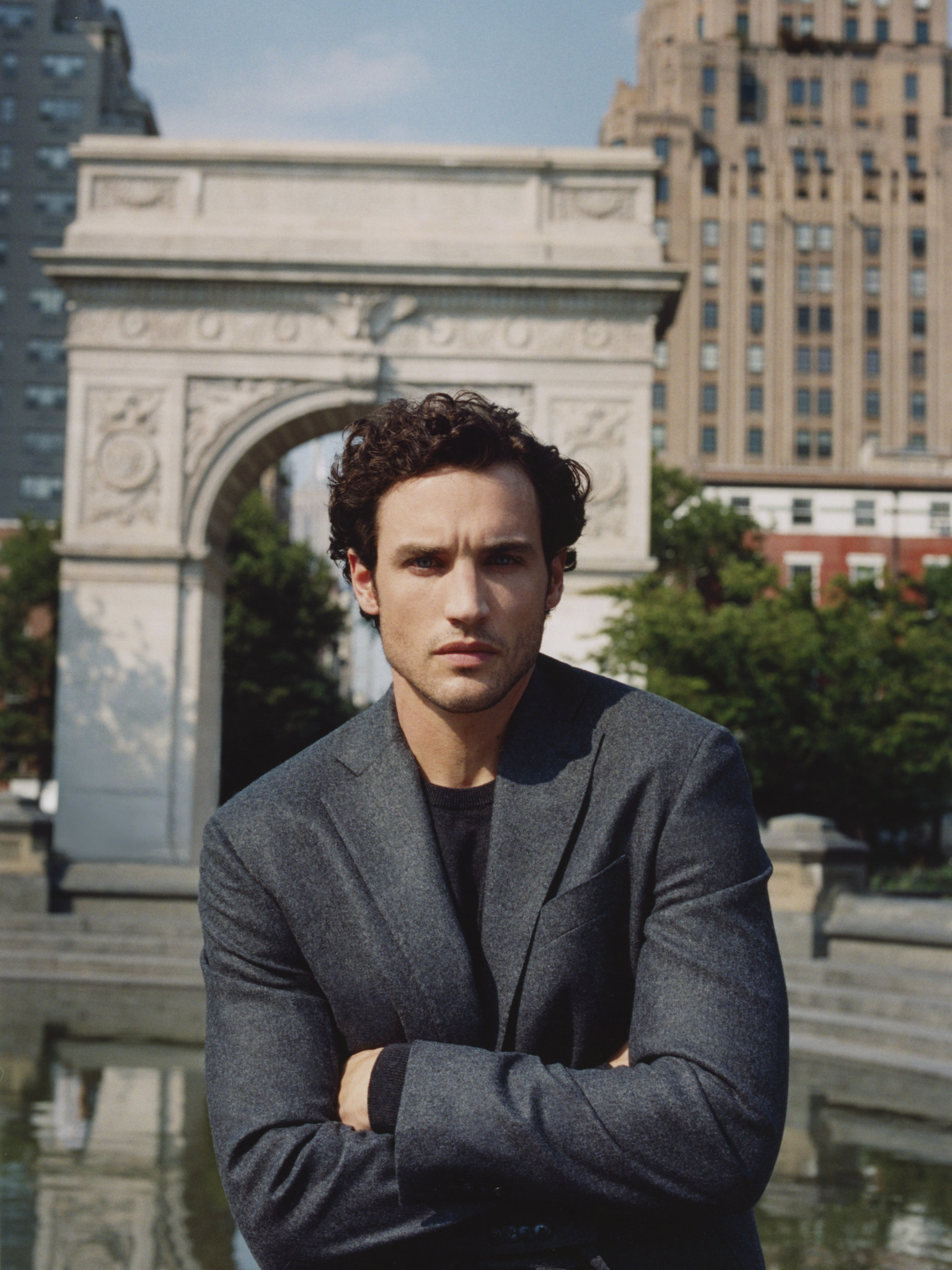
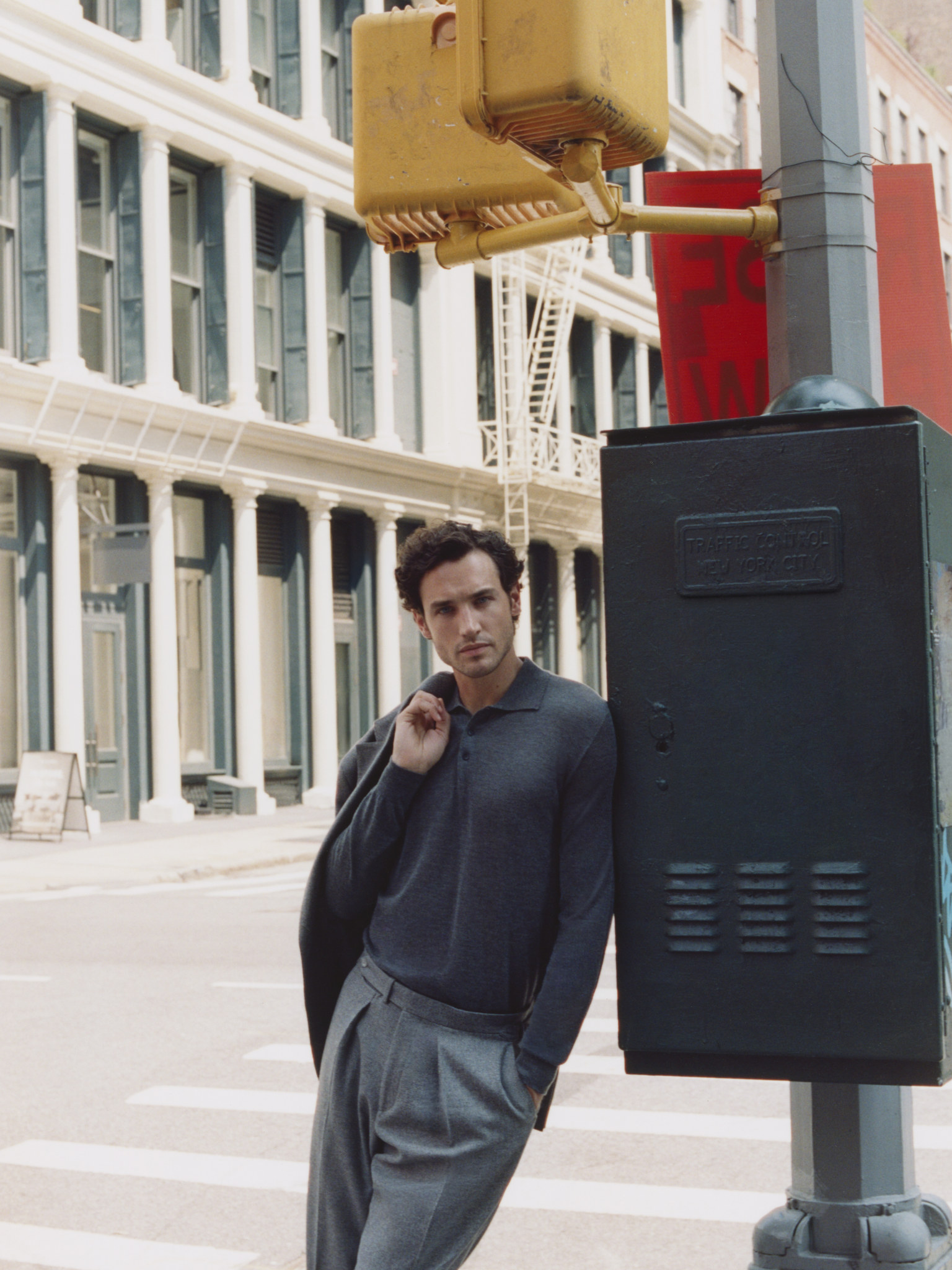
Lights, Camera, Style: How Cinema Quietly Shapes Men’s Taste

At Clements and Church, we’ve always believed that personal style is a form of storytelling. Every fabric choice, every silhouette, every small flourish says something about who you are or at least who you’d like to be. And whether we admit it or not, many of those stories begin in the dark glow of a cinema screen.
Films have always offered men a safe space to explore identity. The leading men we admire are always effortless in their tuxedos, unwavering in their charm, steady under pressure. These become informal guides for the selves we hope to project. Without noticing, we borrow from them. A jacket line here, a grooming detail there. The way Bond adjusts his cuff. The quiet confidence of a Pacino stare. The relaxed nonchalance of a young Redford. These influences seep into our wardrobes and our mannerisms long before we consciously register the mimicry.
What makes film so powerful is that it lets us try on different versions of ourselves without vulnerability. Fashion, after all, can feel exposing: it reveals taste, intention, and sometimes insecurity. But admiring a character onscreen or even an actor on the red carpet gives men a socially acceptable way to express desire, aspiration, and aesthetic preference. We can say, “I love the way Clooney dresses,” without really saying, “I want to look elegant, composed, and admired.” Taste becomes a language that lets us speak indirectly, signalling ambition and refinement while keeping emotion at arm’s length.
This performance extends beyond the wardrobe. People use art of all kinds, as well as film, music, and literature, to organise their inner lives, shaping how they move through the world. A well-cut coat can reflect resilience. A boldly patterned shirt might hint at a desire for adventure. A perfectly tailored suit can be a declaration of intent. The artistry of cinema becomes a scaffolding for our own self-presentation.
And the red carpet only amplifies this. Awards-season menswear has evolved dramatically in the last decade, with actors expressing individuality through colour, texture, and craftsmanship. While still grounded in timeless tailoring, today's standout looks show that a man can be classic without being predictable. For many, these moments are masterclasses in how to elevate tradition with personality, something we champion daily in our ateliers.
Take inspiration 

But here’s the key: inspiration should never become imitation. Style works best when it feels lived-in, authentic, and entirely yours. Let the cinema spark ideas, but don’t aim to dress like a character. Aim to dress like yourself—only sharper.
Our way
At Clements and Church, we tailor garments that help men bridge that gap between aspiration and authenticity. Our role isn’t to make you look like someone else; it’s to help you express the most confident, refined version of you. The film references, the icons, the red carpet moments—they’re starting points, not destinations.
Top tip
Let your favourite films inspire your wardrobe and presentation, but focus on making the style your own. Draw from the elegance, the attitude, the silhouette—but take ownership of the story you’re telling. After all, the most compelling leading man is the one who’s completely himsel
Key films to think of
Cinema offers countless moments where tailoring becomes character. Think of Daniel Craig stepping into his midnight-blue tuxedo in Casino Royale a masterclass in precision, modern masculinity, and the quiet power of fit. Or Christian Bale in American Psycho, whose immaculate suits reflect both ambition and obsession, illustrating how clothing can become part of a psychological performance. Cary Grant’s effortless cool in North by Northwest, the razor-sharp mod silhouettes of The Talented Mr. Ripley, or the understated elegance of Tinker Tailor Soldier Spy all show how tailoring on film shapes our ideas of sophistication. These films don’t just entertain; they teach men how style can articulate identity.